Synopsis
What the film is about
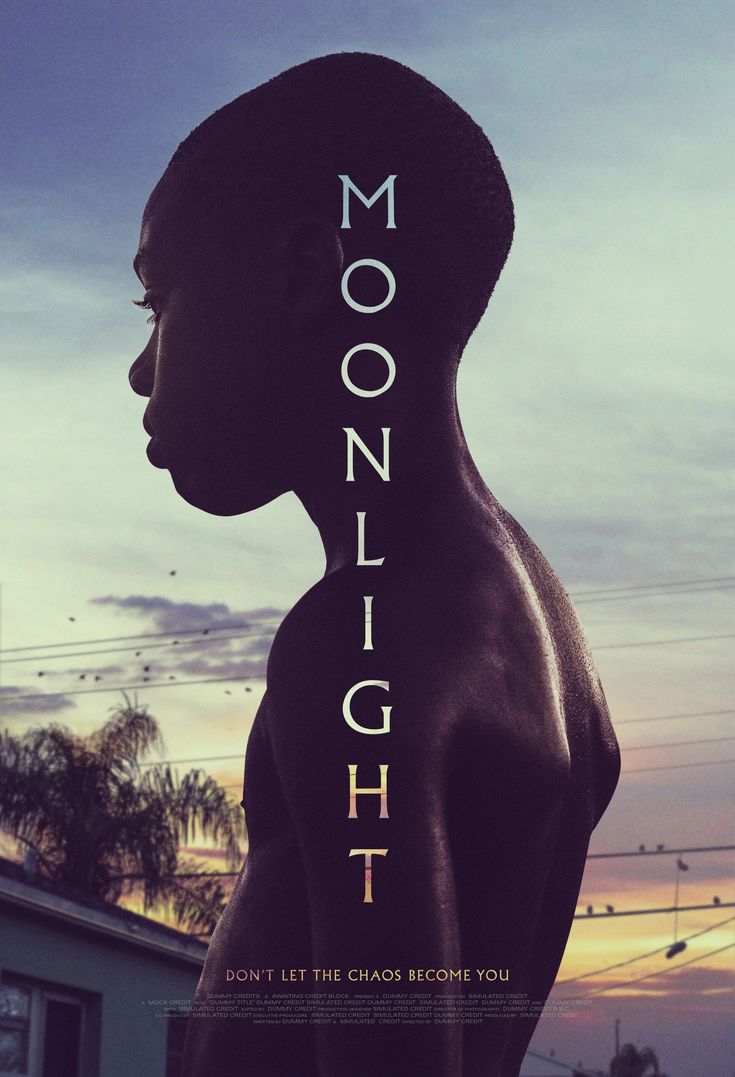
Moonlight follows Chiron across three defining stages of his life: as a young boy trying to navigate neglect and instability, as a teenager confronting bullying and desire, and as an adult who has built an identity shaped as much by protection as by pain. Each chapter reveals a different version of him, but the emotional thread running through all of them is the same — a search for selfhood in an environment that offers little room for softness.
In childhood, Chiron finds a fragile sense of care in the unexpected presence of Juan and Teresa, who offer him the kind of gentleness and attention missing from his home life. As he grows older, that tenderness becomes harder to sustain. Adolescence brings heightened isolation, the pressure of masculine performance, and a brief but life-altering moment of intimacy that leaves a permanent emotional imprint.
By adulthood, Chiron has transformed himself externally into someone harder, more guarded, and more legible to the world around him. Yet beneath that carefully constructed surface remains the same unresolved longing — for love, for recognition, for the freedom to exist without armor. The film does not treat identity as fixed, but as something continually shaped by memory, trauma, environment, and the few moments of connection that manage to survive all of that.
Rather than moving through conventional plot points, the story unfolds through emotional thresholds. What matters is not only what happens to Chiron, but what remains unspoken within him. The result is a film that feels less like biography and more like emotional excavation.
Theme Relevance
Why it belongs here
This film belongs here because it is deeply concerned with interiority — with the hidden emotional life beneath the face the world is allowed to see. It aligns with themes of loneliness, longing, identity, masculinity, tenderness, emotional survival, and the quiet devastation of unmet intimacy. It is introspective in the truest sense, inviting you not just to watch Chiron, but to feel the silence around him.
It also fits your collection because of its softness. Even in its harshest moments, Moonlight remains visually and emotionally delicate. It understands how beauty and pain can coexist, how memory can hold both tenderness and injury, and how desire can remain shaped by fear long after the moment itself has passed.
The film is especially powerful in the way it handles masculinity. It is not simply critiquing hardness; it is showing the emotional cost of needing hardness to survive. That makes the film feel deeply human and deeply intimate. It belongs in this space because it understands that the most profound stories are often about what cannot easily be said aloud.
More than anything, Moonlight is about the hunger to be known. Not looked at, not categorized, not managed — known. That emotional urgency makes it one of the most resonant films in a collection centered on reflection, vulnerability, and cinematic feeling.
Emotional Impact
What it evokes
The emotional impact of Moonlight is quiet but immense. It evokes loneliness, tenderness, fear, yearning, and a sadness that feels less like one specific wound and more like the accumulated weight of emotional deprivation. The film does not manipulate emotion; it allows it to rise slowly, through repetition, restraint, and the tension between what is felt and what is spoken.
There is a profound ache in the way the film presents desire — not as something uncomplicated or liberating, but as something entangled with shame, memory, danger, and need. And yet it never loses sight of tenderness. Some of the film’s most affecting moments are also its quietest: a hand on a shoulder, a conversation in soft light, a pause before truth.
What lingers most is the sense of a self that has had to fragment in order to endure. The film leaves behind a feeling of emotional incompleteness, but not emptiness. It asks what becomes of a person when love is scarce, when gentleness is brief, and when vulnerability must be hidden to survive. The answer is not simple, which is exactly why the film stays with you.
Longing
Tenderness
Loneliness
Vulnerability
Yearning
Critical Review
How critics responded
Moonlight was met with widespread acclaim for Barry Jenkins’s direction, the screenplay, the film’s visual language, and the performances across all three chapters of Chiron’s life. Critics frequently praised its emotional precision and its ability to portray identity and vulnerability with extraordinary restraint and compassion.
The film was especially celebrated for the way it challenged familiar narratives around masculinity and Black identity without reducing its characters to symbols. Reviewers often highlighted its cinematography, score, and atmosphere, noting how seamlessly its formal beauty supports its emotional depth.
Critics often described the film as poetic and profoundly humane, noting its rare ability to make silence, memory, and vulnerability feel as dramatic as any plot twist.
Trailer
Watch the trailer