Synopsis
What the film is about
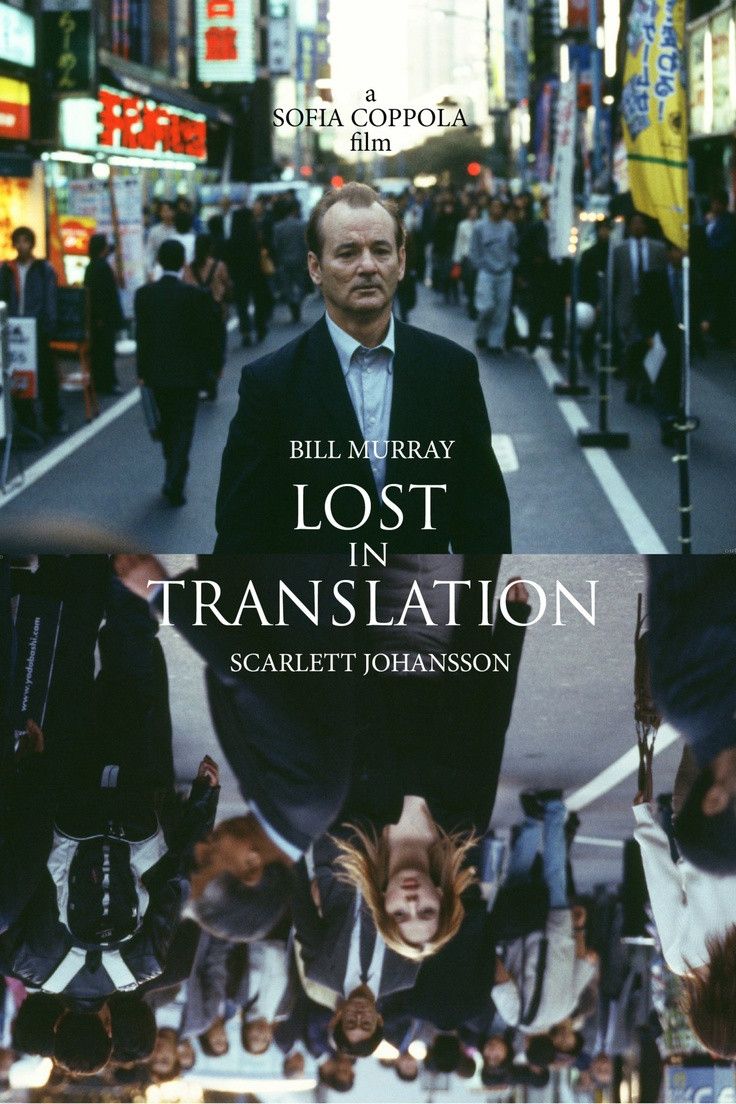
Bob Harris, an aging American movie star, arrives in Tokyo to shoot a whisky commercial while moving through a private midlife disconnection he can barely articulate. In the same hotel, Charlotte, a recent college graduate traveling with her photographer husband, drifts through her days feeling emotionally untethered, uncertain of her marriage, and unsure of who she is becoming.
Their paths cross in small, almost incidental ways before a deeper connection begins to form. What starts as companionship between two sleepless strangers slowly develops into a uniquely intimate bond shaped by conversation, silence, curiosity, and the relief of being understood without needing to explain too much.
The film does not build around a conventional romance arc or overt conflict. Instead, it unfolds through fragments of shared time: hotel bar conversations, city wandering, laughter, insomnia, cultural disorientation, and moments of stillness that reveal more than dramatic declarations ever could. Tokyo itself becomes part of the story, not merely as backdrop, but as a sensory world that intensifies the characters’ isolation while also making their connection feel surreal and suspended.
By the end, Lost in Translation becomes less about what happens between Bob and Charlotte in a literal sense and more about what it means to briefly find emotional clarity in the company of someone you were never meant to keep. It is a film about timing, loneliness, and the subtle ways people change each other simply by being present.
Theme Relevance
Why it belongs here
This film belongs here because it treats emotional disconnection with elegance and restraint. It aligns with themes of loneliness, feminine and emotional introspection, urban alienation, chance intimacy, and the beauty of temporary closeness. It is interested in the atmosphere around feeling just as much as the feeling itself, which makes it ideal for a site shaped by mood, memory, and quiet cinematic texture.
It also speaks to the emotional in-between — those periods in life when identity feels blurred, relationships feel uncertain, and you are no longer fully anchored to the version of yourself you once understood. Charlotte’s uncertainty and Bob’s detachment mirror different forms of displacement, and the film allows that emotional drift to exist without trying to fix it too neatly.
More than anything, Lost in Translation understands the tenderness of almost. Almost romance, almost certainty, almost clarity, almost a life that makes complete sense. That emotional register — soft, unresolved, and deeply human — fits perfectly into a collection concerned with longing, aesthetic melancholy, and intimate self-recognition.
Emotional Impact
What it evokes
The emotional effect of Lost in Translation is quiet but penetrating. It evokes solitude, tenderness, emotional fatigue, and the kind of ache that comes from feeling close to something meaningful that you know cannot fully stay. There is comfort in the film, but it is inseparable from melancholy. It makes loneliness feel luminous rather than empty.
It also evokes the feeling of drifting through a city or a season of life where everything looks vivid on the outside while remaining slightly muted internally. The connection between Bob and Charlotte does not erase their isolation; instead, it softens it, making their shared time feel even more fragile and precious.
What lingers most is the sensation of emotional suspension. The film leaves behind the memory of hotel corridors, late-night conversations, neon reflections, and the rare relief of meeting someone who understands the shape of your sadness without needing it explained. It resonates not because it resolves loneliness, but because it understands how intimate loneliness can be.
Loneliness
Tenderness
Melancholy
Disorientation
Quiet intimacy
Critical Review
How critics responded
Critics widely praised Lost in Translation for Sofia Coppola’s writing and direction, Bill Murray’s performance, Scarlett Johansson’s presence, and the film’s distinctive atmosphere. It was received as both emotionally subtle and sharply observed, with particular attention given to how effectively it balanced humour and melancholy. :contentReference[oaicite:1]{index=1}
The film was also a major awards success, winning Sofia Coppola the Academy Award for Best Original Screenplay and earning additional nominations including Best Picture, Best Director, and Best Actor for Murray. It has since remained highly regarded, often cited among the strongest films of the 2000s. :contentReference[oaicite:2]{index=2}
Critics often return to the film’s rare ability to make emotional distance feel cinematic — turning quiet companionship, wandering conversation, and unresolved feeling into something unforgettable.
Trailer
Watch the trailer