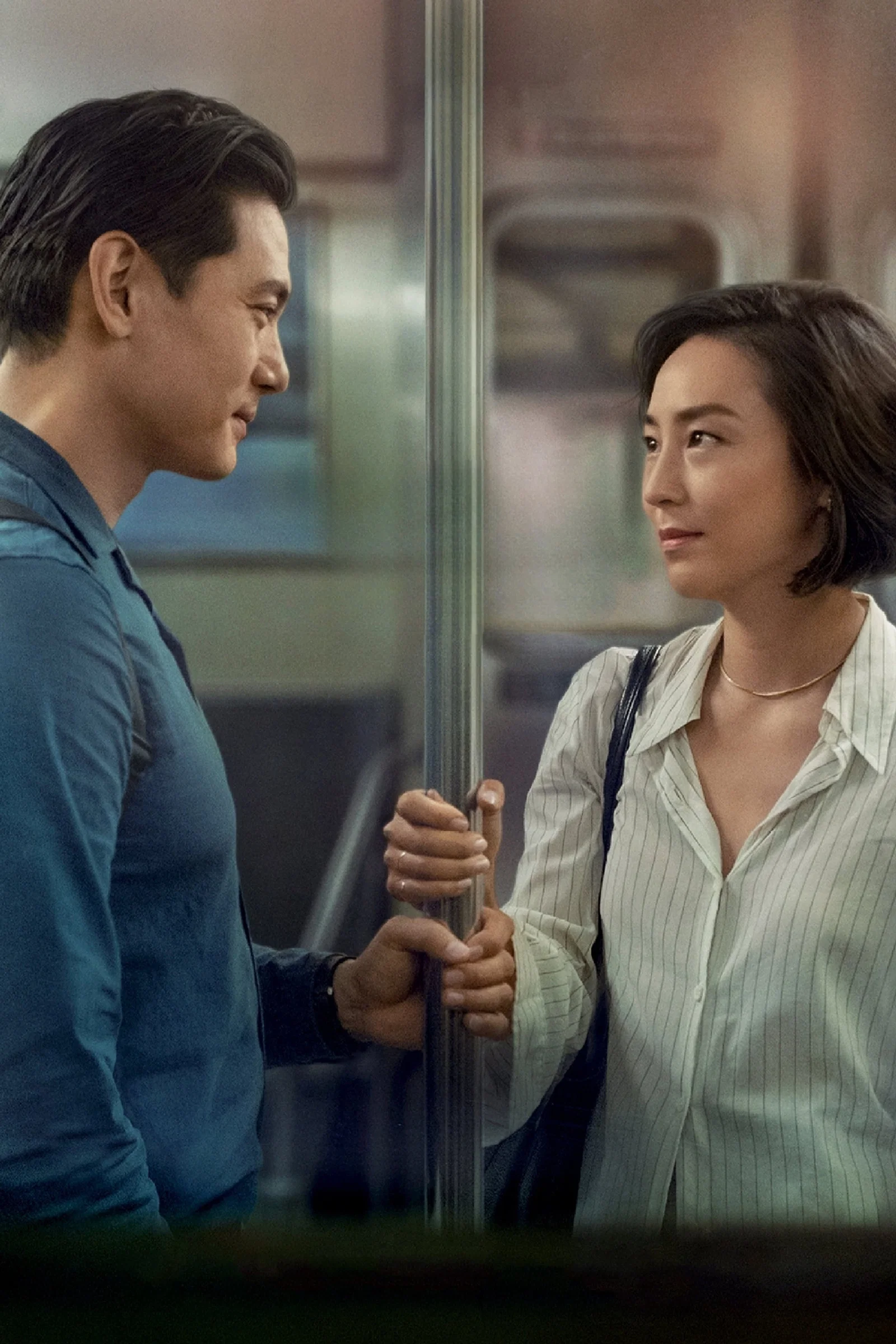
Past Lives is a quiet, deeply reflective meditation on connection, time, and the invisible threads that tie people together across years and continents. It moves with restraint and intention, allowing silence, space, and small gestures to carry emotional weight rather than relying on dramatic expression. The film feels less like a story being told and more like a memory unfolding in real time — something delicate, unresolved, and quietly profound.
At its core, it explores the idea of “what if” — the parallel lives we imagine for ourselves, the people we might have become, and the relationships that exist somewhere between reality and possibility. There is a softness to its storytelling, but also an ache — a recognition that timing, distance, and circumstance shape our lives just as much as choice.
Synopsis
What the film is about
Nora and Hae Sung share a deep childhood connection in South Korea, one that is abruptly interrupted when Nora’s family emigrates. What begins as a simple separation slowly becomes something more complex as the years pass — distance turns into memory, and memory turns into something almost myth-like in its emotional weight.
Years later, they reconnect online as adults, navigating the unfamiliar terrain of who they have become versus who they once were to each other. Life pulls them apart again, only for them to reunite once more in New York, where their connection is tested in the present moment.
The film does not rely on dramatic conflict, but instead allows tension to exist in glances, pauses, and unspoken questions. It explores not just what could have been between them, but what it means to carry versions of people and places within yourself long after you’ve left them behind.
Theme Relevance
Why it belongs here
Past Lives sits at the intersection of longing, identity, and timing. It explores the idea that our lives are not singular, but layered — shaped by past versions of ourselves, alternate paths we didn’t take, and connections that never fully disappear.
The film introduces the concept of “inyeon,” a Korean belief that relationships are formed over multiple lifetimes, suggesting that even the smallest encounters are part of something much larger and more meaningful. This idea runs quietly through the film, adding a spiritual and emotional depth to what might otherwise feel like a simple story of lost connection.
It also reflects on migration, cultural identity, and the emotional distance created by change — how becoming someone new can sometimes mean leaving parts of yourself behind. In this way, the film resonates deeply with themes of self-awareness, emotional maturity, and the quiet grief of lives not lived.
Emotional Impact
What it evokes
The emotional impact of Past Lives is subtle but deeply lingering. It doesn’t overwhelm — instead, it settles into you slowly, leaving a quiet ache that stays long after the film ends. It evokes a sense of stillness, reflection, and emotional awareness, inviting you to sit with your own memories and connections.
There is a particular kind of melancholy in the film — not rooted in loss alone, but in the understanding that life could have unfolded differently. It captures the feeling of meeting someone at the wrong time, or perhaps the right time in a different life.
The film resonates most in its restraint. It trusts the audience to feel rather than be told what to feel, making its emotional impact feel personal, intimate, and quietly profound.
Critics widely praised Past Lives for its restraint, emotional clarity, and delicate storytelling. The performances have been described as deeply natural and intimate, allowing the film’s emotional weight to emerge through subtle expression rather than dramatic intensity.
Many reviewers highlighted the film’s ability to communicate complex emotional truths with minimal dialogue, relying on silence, body language, and atmosphere. Its exploration of connection, identity, and time has been described as quietly devastating and universally relatable.
Reviewers often noted that the film says more in its quiet moments than many films do in their most dramatic scenes, allowing the audience to sit within the emotional space rather than be guided through it.