Synopsis
What the film is about
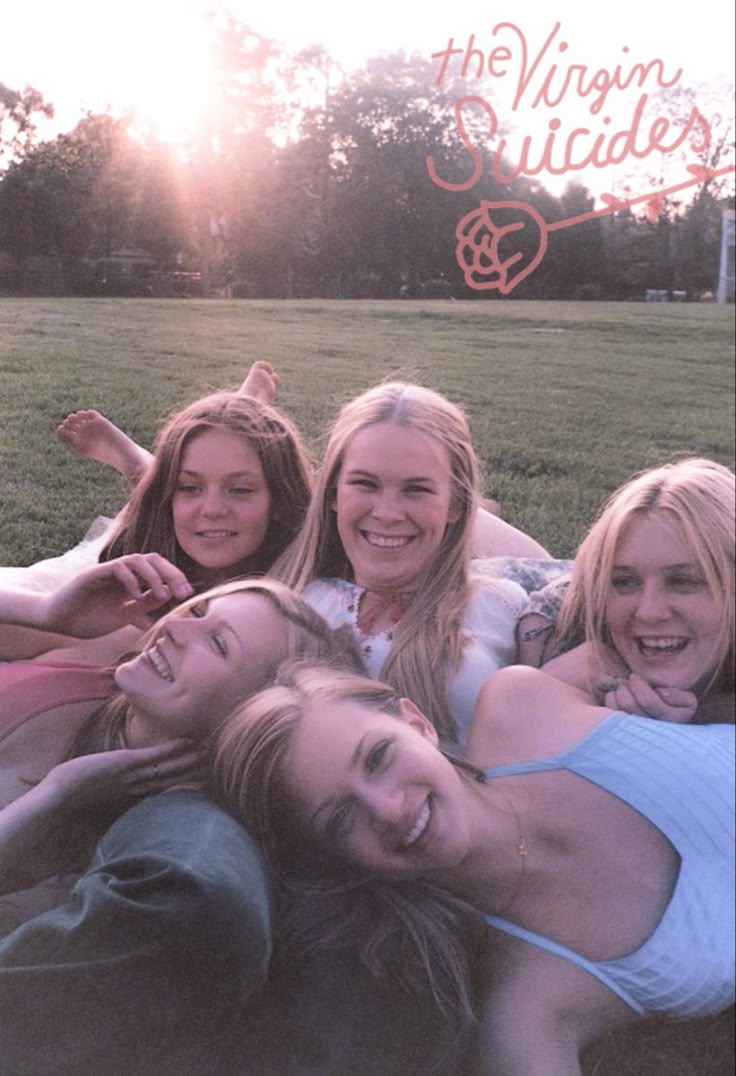
Set in suburban Michigan during the 1970s, The Virgin Suicides follows the five Lisbon sisters, whose lives become the subject of fascination for a group of neighbourhood boys. After the youngest sister, Cecilia, attempts suicide, the family’s already fragile sense of order begins to unravel. What follows is not simply a sequence of events, but a growing atmosphere of sadness, repression, and distance that settles over the household.
The Lisbon girls are gradually isolated from the outside world by their strict parents, and that isolation only intensifies the boys’ obsession with them. The girls become figures of longing and mystery, watched from a distance, imagined rather than known, their lives interpreted through fragments, gestures, and memory rather than direct understanding.
As the boys try to make sense of the girls’ inner world, the film reveals how impossible that effort really is. The more they watch, the less they truly understand. The story becomes not only about the sisters themselves, but about the limits of perception — about how people can be adored, desired, and mythologized while remaining completely unreachable.
The film ultimately unfolds as a memory piece, shaped by absence and retrospective longing. It is less concerned with solving a mystery than with showing how certain losses remain permanently unresolved, especially when they were never fully understood to begin with.
Theme Relevance
Why it belongs here
This film belongs here because it captures feminine mystery, suburban melancholy, longing, and beauty with extraordinary softness. It aligns perfectly with themes of girlhood, repression, emotional distance, memory, desire, and the tension between appearance and interior life. It is one of the clearest examples of a film where mood is not decoration — mood is the meaning.
Like other films in your archive, it is deeply interested in atmosphere and emotional texture. But where something like Normal People moves through intimacy and direct vulnerability, The Virgin Suicides works through distance. Its emotional force comes from what cannot be reached, what cannot be said, and what remains permanently obscured.
It also fits because it understands how beauty can become a kind of trap — how femininity, youth, and desirability can be projected onto from the outside while hiding private pain underneath. The film resists giving easy access to its girls, and that refusal becomes central to its emotional and aesthetic power.
Within your collection, it deepens the dreamy, nostalgic, feminine side of the archive. It is one of the essential films for a mood built around softness, sorrow, memory, and the strange glow of things that feel beautiful because they are already lost.
Emotional Impact
What it evokes
The emotional effect of The Virgin Suicides is quiet but haunting. It evokes longing, nostalgia, sadness, fascination, and a kind of emotional helplessness. The film does not overwhelm through overt drama. Instead, it leaves behind an atmosphere — the feeling of watching something fragile from too far away and realizing, too late, that you never truly understood it.
There is also a specific ache in the way the film treats adolescence. It captures teenage life not as innocence, but as a charged and unstable period where desire, confusion, repression, and loneliness exist side by side. The emotional world of the film feels dreamy on the surface and devastating underneath.
What lingers most is the sense of mystery that never resolves. The film leaves you with images, moods, and questions rather than closure. That is part of what makes it so memorable — it stays in the mind like a half-remembered summer, beautiful and unsettling in equal measure.
Longing
Nostalgia
Melancholy
Mystery
Girlhood
Critical Review
How critics responded
The film received largely positive reviews and has since become widely recognized as a cult classic, with praise frequently directed at Sofia Coppola’s direction, its dreamlike visual style, and the soundtrack by Air. It has also been noted for its lyrical treatment of adolescent angst and emotional distance. :contentReference[oaicite:1]{index=1}
Critics and later audiences often return to the film because of the way it turns suburbia, memory, and feminine mystique into something cinematic and emotionally unsettling. Its power lies less in explanation than in tone, making it one of those films that is remembered as much for how it feels as for what actually happens. :contentReference[oaicite:2]{index=2}
The film lingers because it turns distance itself into an emotional experience, allowing beauty, sorrow, and uncertainty to exist in the same frame.
Trailer
Watch the trailer