← Back to all films
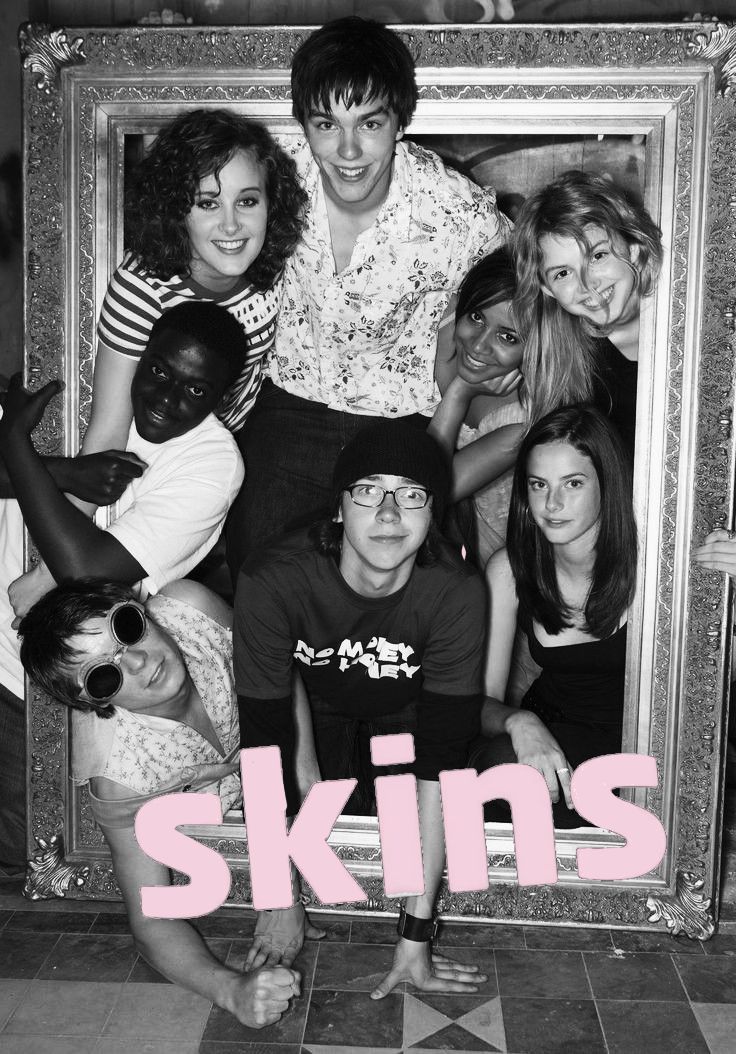
Skins poster
Film Notes

Skins

2007–2013 Teen Drama Created by Bryan Elsley & Jamie Brittain

Skins is chaotic, unfiltered, and emotionally raw — a series that captures adolescence not as a transition, but as a collision of identity, desire, trauma, and freedom. It refuses to clean anything up, instead presenting youth in a way that feels immediate, messy, and often uncomfortable.

What makes the series stand out is its structure. Each episode focuses on a different character, allowing the audience to experience multiple emotional perspectives within the same world. This creates a layered understanding of friendship, loneliness, and how people perform themselves within a group.

Beneath the parties, relationships, and impulsive behaviour is something more fragile — characters trying to understand themselves while navigating environments that often fail to support them. The series does not simplify their struggles, but allows them to exist in all their contradictions.

What the series is about

Skins follows a group of teenagers in Bristol as they navigate friendship, relationships, mental health, family dynamics, and identity. The series is divided into generations, each introducing a new group of characters while maintaining the same emotional intensity.

Each character experiences the world differently — some through rebellion, some through withdrawal, and others through attempts at control or self-definition. Their lives intersect through friendships that are both supportive and destructive, creating a network of emotional connections that constantly shift.

The series does not follow a traditional narrative arc. Instead, it moves through moments — parties, conversations, conflicts, breakdowns — allowing the emotional lives of the characters to unfold naturally.

Rather than presenting adolescence as a phase to move through, Skins treats it as a space where identity is unstable and constantly being renegotiated.

Why it belongs here

Skins belongs here because it captures youth and emotional chaos with honesty and intensity. It aligns with themes of identity, loneliness, desire, self-destruction, friendship, and the instability of growing up.

Like Euphoria, it explores the extremes of teenage experience, but with a more grounded, less stylised approach. It feels immediate and unfiltered, which adds a different kind of realism to your archive.

It also fits because of its focus on character. Each episode provides insight into different emotional experiences, showing how people can exist within the same environment while feeling completely different things.

Within your collection, it represents the raw, unpolished side of youth — where vulnerability and recklessness exist at the same time.

What it evokes

The emotional impact of Skins is intense and unpredictable. It evokes excitement, discomfort, empathy, sadness, and a strong sense of emotional recognition.

The series captures the instability of adolescence — the way emotions can shift quickly and the way people often act without fully understanding themselves.

It also evokes a sense of closeness. The characters feel real and immediate, making their experiences feel personal rather than distant.

What lingers most is the feeling of unpredictability — the understanding that growth is not linear, and that identity is shaped through both connection and conflict.

Chaos Youth Identity Loneliness Recklessness

How critics responded

Skins gained strong attention for its raw portrayal of teenage life and its willingness to address complex issues. It was praised for its performances and its unconventional storytelling approach.

The series became particularly influential for its impact on youth culture and its representation of adolescence.

The series was often described as bold and unfiltered, offering a direct and emotionally intense look at growing up.